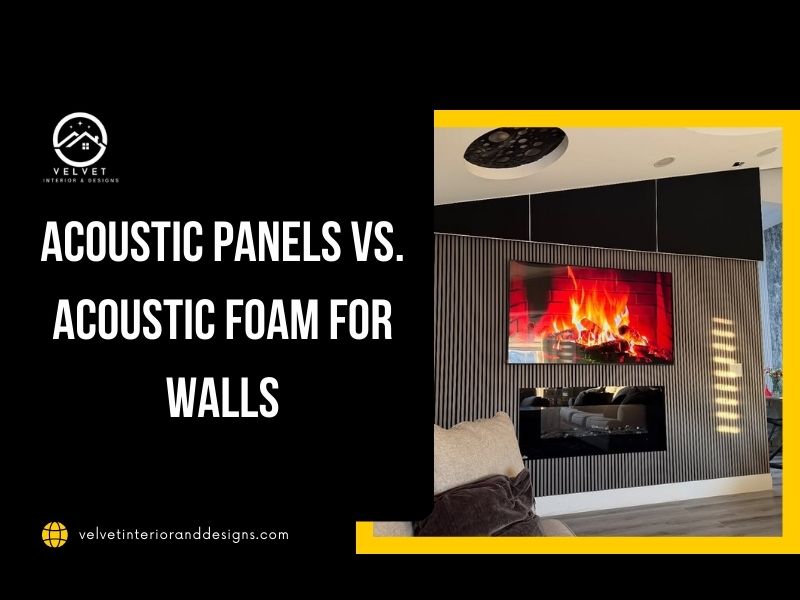
Acoustic Panels vs. Acoustic Foam for walls both share a similar job, which is sound absorption, but the differences between them and how to choose between acoustic panels for walls and foam acoustic panels for different spaces require knowing the whole comparison between them. As you will know, studios and home applications fit better with acoustic panels, while for Quick Fixes use and small spaces such as gaming rooms, it is better to use acoustic foam.
In this blog, we’ll compare Acoustic panels vs acoustic foam for walls in terms of materials, cost, appearance, and recommended applications.
Acoustic Panels vs. Acoustic Foam for Walls Comparison
Acoustic panels types vary in material, design, and performance, allowing you to choose the right solution for improving sound quality and aesthetics in any space. let’s introduce the whole comparison in detail of Acoustic Panels vs. Acoustic Foam for Walls:
1- Acoustic Panels
Acoustic Panels are a budget-friendly choice to control echoes, reverberation, and background noise; they are suitable for offices, studios, theaters, and homes. And it is made from different materials, get to know what it is made of and the variety of materials from the following:
What are Acoustic Panels made of?
Acoustic Panels are sound-absorbing panels made from fiberglass, mineral wool, rock wool, open-cell foam, or recycled PET. These panels feature lightweight installation, fire resistance, durability, and decorative options. It is available in Squares, rectangles, circles, custom designs, and artistic shapes.
Acoustic wall panels canada are made of wooden frames filled with a sound-absorbing core wrapped in a fabric or other material.
Sound-absorbing materials could be:
- Fiberglass
- Mineral wool
- Acoustic foam
Practical Applications:
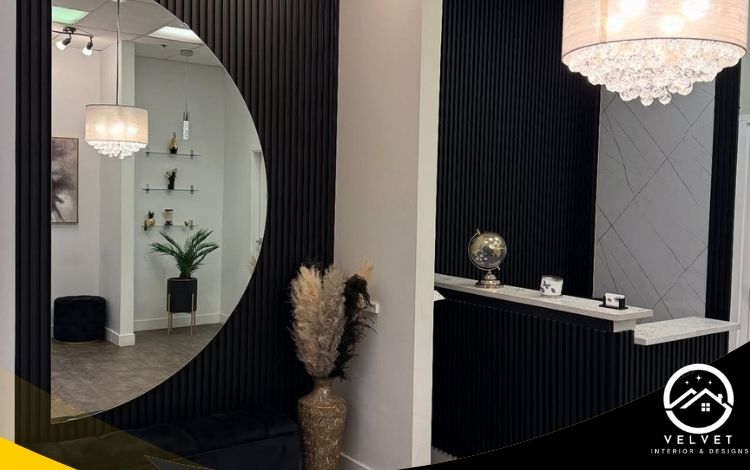
The Acoustic Panels feature a variety of applications, such as offices, meeting rooms, and open-plan areas. As well as in entertainment spaces like Home theaters and recording studios. And public spaces like Restaurants and schools.
2- Acoustic Foam for Walls
Acoustic Foam for Walls is a budget-friendly option that absorbs sound waves and converts them to heat. As well it reduces echoes, reverberation, and background noise. Note: it is not blocking the sound. Now let’s get to know what it is made of and the variety of materials from the following:
What are Foam Acoustic Panels made of?
Acoustic Foam is an open-celled foam material made from lightweight, open-cell polyurethane (PU) or melamine foam and features Lightweight material and easy Installation. As well, it has a thicker foam, is fire-resistant, and is available in various colors, thicknesses, and shapes.
Foam Acoustic Panels are made mainly from these three materials:
- Open-cell polyurethane foam
- Extruded melamine foam
- Melamine foam
Practical Applications:
Recommended applications for the Acoustic Foam: broadcasting studios, home theaters, offices or home offices, and classrooms.
Upgrade your space with Velvet Interior Design wall paneling in Edmonton—explore premium styles and transform your walls today.
Does acoustic foam reduce noise?
Yes, acoustic foam reduces noise by absorbing echoes and reverberation.
Note: the acoustic foam for walls does not block sound from entering or leaving; it just reduces it.
Pyramid vs Wedge Acoustic Foam?
Choosing the right acoustic panel depends on factors such as material, design, and sound absorption needs to ensure optimal performance and aesthetic appeal in your space.
Wedge acoustic foam is a soundproof foam for walls made of open-cell polyurethane foam with a high-density foam.
- It is for large room spaces.
- Ideal for sound studios.
- Better at absorbing lower frequencies
Pyramid acoustic foam is a sound-absorbing panel made of open-cell polyurethane foam.
- It is for small room spaces.
- Ideal for home use
- Scatters sound more evenly
- Prevent “hotspots” of echo
Learn how to soundproof a room effectively—discover smart solutions to reduce noise and create a more comfortable, quiet space today.
FAQS about Acoustic Panels vs. Acoustic Foam for walls
Is acoustic foam or panels better?
Acoustic foam and panels serve different purposes depending on your requirements and needs. As you will find:
- An acoustic foam reduces high-frequency spaces’ echoes. It is less expensive and easier to install.
- An acoustic panel reduces low-frequency spaces. It costs more than acoustic foam, but it provides professional results for sound clarity.
What are the disadvantages of acoustic foam panels?
- There is a significant limitation in echo reduction.
- Ineffective at blocking low-frequency echoes.
- Lacking true soundproofing.
- Poor longevity, degrading and crumbling over time.
- Maintenance is challenging due to dust accumulation.
- Cleaning difficulties increase with age.
How to hang acoustic foam without damaging walls?
To hang acoustic foam without damaging walls, follow these steps:
First: Clean the wall surface.
Second: Use the damage-free Command Strips.
Third: Use the mounting putty for the temporary spots.
Fourth: Mount acoustic foam to a backing.
Fifth: Use the T-pins to attach the backing securely.
What’s the best material to use for soundproofing?
The best material to use for soundproofing depends on your budget and requirements:
- Mass Loaded Vinyl (MLV) is a heavy and flexible material used for blocking airborne sound. (Expensive)
- Acoustic Mineral Wool is widely available in the market and used for filling cavities to absorb sound. (Cost-effective)
- Acoustic Plasterboard material is made from multiple layers, which increases effectiveness. (Moderate to expensive)
- Green Glue is applied between layers for decoupling structures to stop vibration and impact noise. (Moderate to expensive)