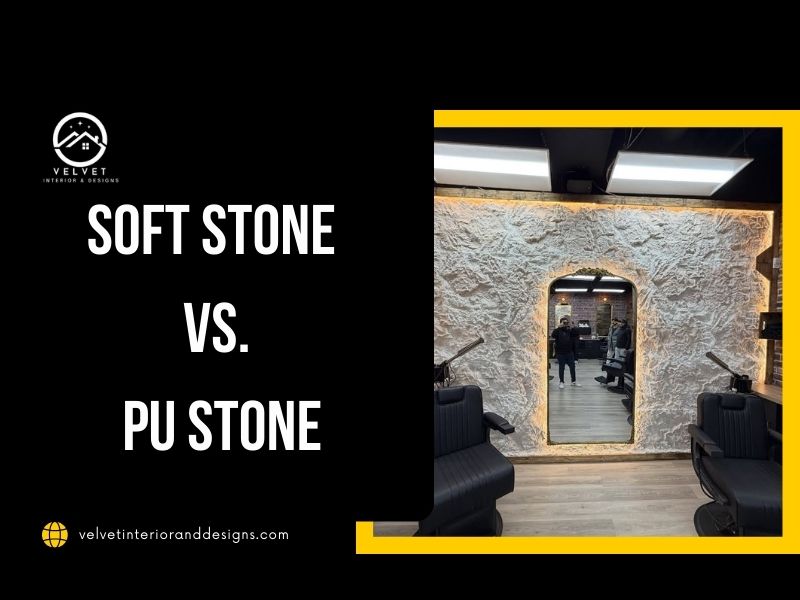
Soft Stone vs. PU Stone are two popular materials used for wall decoration and interior design. Both are chosen for their stone-like appearance, but they are very different in material, weight, and use. Understanding the differences between them will help you in choosing the right option based on budget, installation needs, and design preference.
Soft Stone vs. PU Stone
1- Soft Stone Vs Pu Stone Material
Soft Stone Material:
Soft Stone is made from natural stone cut thin and then bonded to a flexible backing. It comes from real stone layers like marble and granite, and there are no synthetic fillers; it is all composed of actual geological material.
The soft stone material is often sealed or treated for protection, and it can also be sanded or finished like traditional stone, offering the exact appearance. Not to forget to mention that this material is eco-friendly and recyclable since it is a real stone.
Pu Stone Material:
PU Stone is made from a composite material made of polyurethane resin and mineral powders. It is different from soft stone, as it is manufactured, not quarried. It can be included in pigments, binders, and additives for specific performance.
This material features customizable options in color and texture, and it is lightweight due to its high resin content.
2- Soft Stone Vs Pu Stone Canada Weight:
Soft Stone Weight:
Soft Stone Weight features a lightweight material compared to the full-thickness stone but heavier than pure synthetic boards due to mineral content.
Note: the weight depends on stone type
Note: the Soft Stone is heavier than PU stone.
PU Stone Weight:
PU Stone Weight is extremely lightweight, easy to handle, requires minimal effort during transport and installation, and reduces structural load on buildings.
Note: this option is ideal for high areas or large panels.
3- The Flexibility of Pu Stone Panel and Soft Stone:
Soft Stone Flexibility:
Soft Stone is flexible and can be blended slightly to conform to gentle curves, but you must know the thinner the more it is flexible.
Note: it is suitable for accent walls, contoured surfaces, and decorative features.
PU Stone Panel Flexibility:
PU Stone Panel is highly flexible due to a polyurethane core, suitable if the walls have sharper curves and irregular shapes, and you can also use it for 3D designs and custom profiles, as well as wraps and columns.
4- Pu Stone Wall Panels and Soft Stone Installation:
Soft Stones Installation:
Soft Stone installation requires skilled installers familiar with thin stone veneer, because it needs a solid, well-prepared substrate and mechanical fasteners and adhesive and proper tools for the cutting and drilling that produce dust that can damage the whole process.
Pu Stone Wall Panel Installation:
PU Stone installation is easier and faster than soft stone; often it requires using the adhesive only and can be cut with simple tools like a saw and knife, and it is a lightweight panel that causes less mess.
Easier and faster to install.
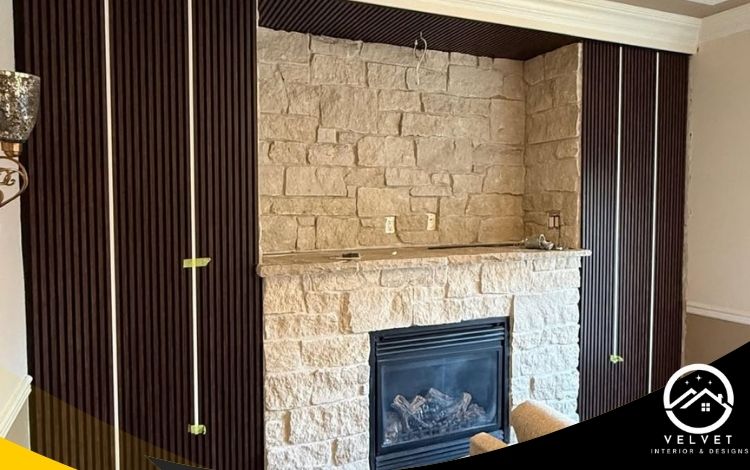
Transform your interiors with Velvet Interior Design wall decoration panels—explore elegant styles and upgrade your space today.
5- Soft Stone Vs Pu Stone Cost:
Soft Stone Cost
Soft Stone costs more than basic synthetic options as well; it is also expensive in the installation process due to its weight, maintenance, and sealing.
PU Stone Cost
PU Stone is considered a low-cost material compared to the soft stone material, and it doesn’t cost anything in installation due to its lightweight. It requires minimal maintenance that reduces the lifecycle cost.
6- Appearance of Pu Stone Panel Outdoor and Indoor:
Soft Stone Appearance
Soft Stone appearance reflects the authentic natural stone look and texture, and each piece is unique as well; it can be sealed for richer tones.
PU Stone Appearance
PU Stone Appearance mimics many stone looks well, and it is different from real stone, which can’t be repeated; it features a smooth and consistent surface. The pu stone is available in more colors and finishes.
7- Durability and Use
Soft Stone Durability
Soft Stone durability material is strong and long-lasting and is ideal for interior walls, floors, and light exterior use. The soft stone resists scratches and heats well.
Note: the Soft Stone can chip if struck hard.
PU Stone Durability
PU Stone is durable but less impact-resistant than real stone. As well, it is resistant to moisture and cracking. And matches with interiors, feature walls, and curved facades.
Note: The PU Stone for external use needs a UV-stable grade.
Pu Stone Vs Soft Stone Pros And Cons
The PU Stone Advantages
- PU Stone is a durable and lightweight material that costs less in transportation and installation processes.
- Features an easy and fast installation process using the adhesive without heavy fixing systems.
- It is highly flexible and ideal for curved and irregular surfaces.
- Resistant to moisture, humidity, and mold.
- Available in various colors, patterns, and textures.
- PU stone as an alternative to natural stone costs less.
PU Stone Disadvantages
- It is not 100% made from natural stone.
- It has a less authentic appearance compared to real stone surfaces.
- Easily damaged by strong impacts or sharp objects.
- Some PU Stone material may fade if exposed to direct sunlight for long periods.
- It has a limited heat resistance compared to natural stone.
- Its lifespan is lower than real stone in high-traffic areas.
Soft Stone Advantages
- It is made from real natural stone, offering an authentic appearance.
- A unique finish: natural variations in color and texture.
- It is more flexible and lighter than traditional solid stone slabs.
- High durability and resistance to heat and scratches.
- The soft stone material is environmentally friendly and recyclable.
- Suitable for both modern and classic designs.
Soft Stone Disadvantages
- It has a heavier weight than PU stone panels.
- Costs more in the installation process.
- Requires skilled labor for proper installation.
- The soft stones require sealing and periodic maintenance to prevent staining.
- It is less flexible than PU stone for tight curves.
Pu Stone Vs Soft Stone Bathroom
Pu Stone features are water resistance, ease of installation, and low maintenance, making it cost-effective for walls and showers.
On the other hand, the soft stone is a luxurious option and a high-durability material, but using it for a bathroom requires proper sealing, skilled installation, and more maintenance. Must mention it is heavier and more expensive.
So choosing between Pu Stone Vs Soft Stone Bathroom depends on budget, design preference, and maintenance willingness.
How To Install Pu Stone
- Prepare the surface by cleaning it and making it dry and free from dust, grease, or loose paint to ensure proper adhesion.
- Measuring and planning the wall area and the panel layout to minimize cutting and material waste.
- Cut the panels using a handsaw, electric saw, or sharp utility knife, depending on the pu stone thickness.
- Apply the adhesive using a strong construction adhesive or PU glue.
- Fixing the panels by pressing them firmly onto the wall, starting from the bottom and working upward.
- For finishing touches, fill the joints or screw holes with matching filler, then clean the surface to complete the installation.
- Allow the adhesive to fully cure according to the manufacturer’s instructions.
FAQS
What are the disadvantages of PU stone?
- It is not made from natural stone.
- Less resistant to strong impacts compared to real stone.
- Direct sunlight may cause color fading if not UV-stable.
- Lower heat resistance than natural stone materials.
What is PU stone?
PU stone is a manufactured stone alternative made from polyurethane resin, designed to mimic the real appearance of the natural stone, it features a lightweight and flexible material, used for wall cladding and decorative features.
Is soft stone a good building material?
Yes, soft stone is a good building material because it provides a natural, high-end aesthetic. As well, it is durable for interior walls and decorative applications in moderate climates and indoor environments.