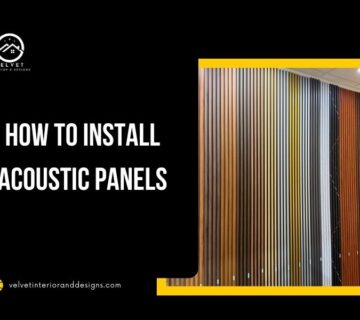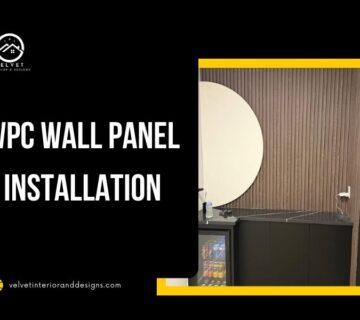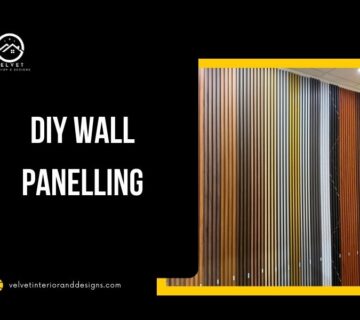
How-to Install PVC Wall Panels? Is a good question to ask. Learning the process of how to install PVC wall panels helps achieve a clean and professional finish, as the proper installation of the PVC Panels improves the panel’s performance and long-term durability. They are commonly used in bathrooms, kitchens, bedrooms, and living rooms due to their moisture resistance, which makes them ideal for wet and humid areas.
This blog offers a correct guide for installation that helps you to prevent issues like gaps, water leakage, and uneven surfaces, because choosing and installing PVC wall panels in your space by yourself is a cost-effective alternative to traditional wall finishes.
How-to Install PVC Wall Panels
The PVC Wall Panels are a smart element to cover the wall with in homes and commercial spaces, and they are widely used because they are lightweight, durable, and easy to install. So, understanding the installation process saves time and reduces labor costs. As well as ensuring safety, strength, and a polished final look.
PVC Wall Panel Installation: Tools, Materials, and Preparation
Before installing the PVC in walls, you should gather the tools, understand the material, and prepare the surface. Let’s introduce it in a clear way for you from the following:
- Important tools you must have before installing the PVC panels into your walls: level, measuring tape, utility knife or saw to cut panels, caulking gun for applying adhesive evenly, and drill and screws (used once the panel is heavy).
- The materials required for PVC wall installation are suitable and strong PVC wall panels, construction adhesive designed for PVC, and
- PVC trims for edges and corners, and don’t forget a cleaning cloth to wipe surfaces before installation.
- Prepare the surface: you have to be sure the wall surface is clean and dry by removing dust, grease, or loose paint from the wall, then check the wall for moisture or damage before starting.
How to Install PVC Wall Panels on Concrete Wall?
- The first step is to clean the concrete wall surface thoroughly.
- Second step, repair cracks or uneven areas before installation using joint compound or other appropriate material.
- Third step: measure the wall and the panels, then cut them. Don’t forget to use the level to keep the panels aligned.
- It will be better to start from one corner and move across.
- Then, apply a strong construction adhesive directly to the panel back that is suitable for PVC panel material.
- Then, press the panel firmly against the concrete wall, and allow proper drying time for the adhesive.
- You can use the PVC trims to provide a smooth finish for the edges neatly.
How to Install PVC Wall Panels on Drywall?
- Check drywall for damage or moisture, and ensure the wall is flat and stable.
- Prepare the wall and clean it of dust.
- Measure and cut your first panel
- Apply adhesive evenly on the panel.
- Use a level for straight alignment.
- It is better to start the installation from the bottom or the corner.
- If you are using screws, avoid over-tightening the screws to prevent any damage. (This step is not necessary because most PVC panels do not require installation using screws, only strong adhesive.)
- Cover joints with trims for a clean look.
- Let the adhesive cure fully before use.
How to Install PVC Wall Panels on Plywood?
After understanding the general PVC wall panel installation steps above, here are some helpful tips specifically for installing PVC wall panels on plywood surfaces:
Before installing the PVC wall panels on plywood, make sure the surface is moisture-free, and for the plywood, it is better to use exterior-grade or treated plywood in humid areas. For the adhesive, use one that is compatible with both PVC and wood surfaces. Although you have to be careful when installing panels over damaged or warped plywood and use just screws if the panels are thick or installed in high-traffic areas.
How to Install PVC Wall Panels in Bathroom
Installing PVC Wall Panels in Bathroom has the same steps as in any room and space, but there are some considerations you must know:
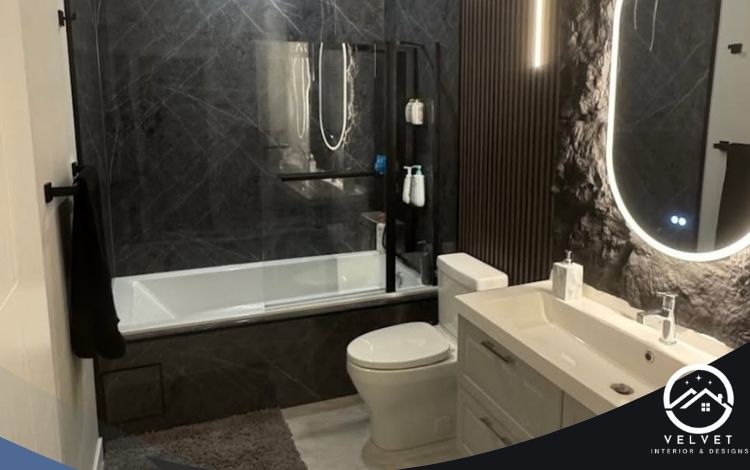
First you have to confirm the bathroom wall is dry and free from mold. Second, choose moisture-resistant PVC panels designed for wet spaces, which you will find in different colors and designs at Velvet Interior Design. Third, use waterproof adhesive to prevent panel detachment. And don’t forget to clean the PVC panels regularly to maintain appearance.
How to Install PVC Wall Panels in Shower
As we described before, it has the same installation steps, but here are some tips on How to Install PVC Wall Panels in Shower:
For sure you have to confirm the wall behind the panels is fully waterproofed and use the PVC panels specifically rated for shower use. As well you must install panels tightly to avoid water pockets and avoid drilling through panels unless necessary.
How to Install PVC Wall Panels on Ceiling
Before installing the pvc panels in the ceiling, you must check the ceiling’s strength and choose lightweight panels that reduce ceiling load, and for sure combine both adhesive and screws for strong support.
How Do I Fasten Decorative Wall Panels to a Wall?
Some tips and tricks on how to fasten decorative Wall Panels to a Wall:
- The Adhesive works best for smooth and lightweight panels.
- The Screws provide extra strength for large or heavy panels.
- Combine adhesive and mechanical fixing for durability.
- Avoid overtightening screws to prevent panel damage.
- Use pilot holes when drilling into panels.
- Hide fixings using trims or finishing caps.
Note: If you purchase your PVC panels from Velvet Interior and Design for indoor or outdoor use, they only require a strong adhesive and following the installation steps above—no screws are needed.
FAQS
How do you attach PVC panels to the wall?
The PVC wall panels are attached to the wall using construction adhesive, mechanical fasteners, or a combination of both.
What adhesive to use for PVC wall panels?
The adhesive to use for PVC wall panels must be a high-quality construction adhesive designed for PVC materials.
What are the disadvantages of PVC wall panels?
- PVC wall panels can be sensitive to high heat.
- May expand or contract with temperature change.
- Lower-quality panels may crack or discolor over time.
- Offers limited sound insulation.
Are PVC panels easy to install?
Yes, PVC wall panels are considered easy to install compared to alternative panels.
Can I put PVC wall panels over drywall?
Yes, PVC wall panels can be installed directly over drywall as long as the surface is clean and dry.