Choosing the right acoustic panel for your office, home, or commercial spaces is important for several reasons. The acoustic panel’s main role is to control sound by absorbing echoes and reducing unwanted noise in a room, which makes panel selection important.
Choosing the right panel helps to improve sound clarity, making conversations, music, and audio more comfortable to hear. Furthermore, the modern acoustic panels combine both functionality and decorative wall design.
Choosing the right panel depends on the room’s size and purpose. As there are many materials for acoustic panels to choose from, such as wood, fabric, foam, and PET felt, each offers varying acoustic performance.
It can be installed on walls or ceilings and used in homes, offices, studios, and commercial interiors. Choosing high-quality panels provides long-term durability and low maintenance while balancing sound absorption, aesthetics, and installation convenience.
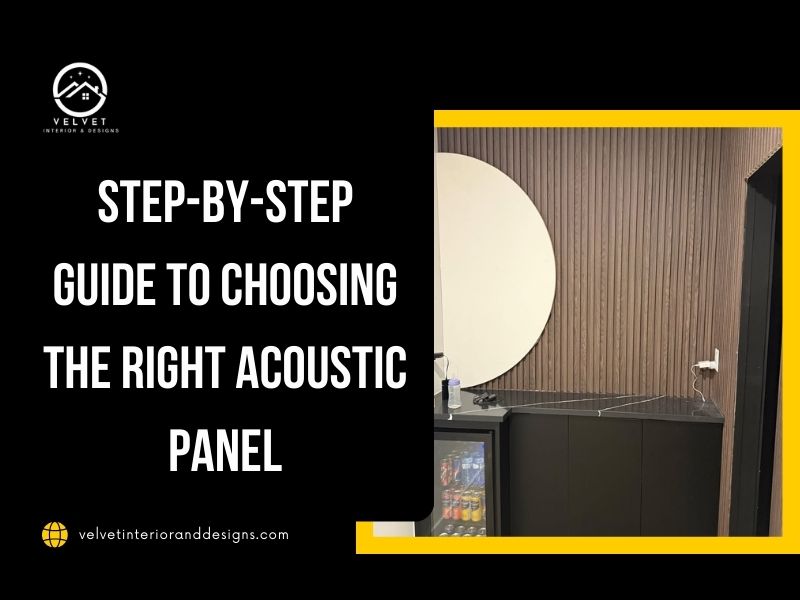
A step-by-step approach makes it easier to select the most suitable acoustic panel for any interior space.
Step-by-Step to Choose the Right Acoustic Panel
Following this step-by-step guide will lead you to How to Choose the perfect Acoustic Panels for Your Room in just 8 steps:
1- Why do you need acoustic panels
First, you should know why you need acoustic panels. These panels add an authentic appearance to your room, offering modern and contemporary style, and at the same time, they improve sound clarity and reduce echo.
2- Consider the room size
Large rooms produce more echo because of the space, which usually requires more panels or larger acoustic surfaces, unlike small rooms, which need fewer panels, but they still require proper installation and treatment.
Which means the room size determines how many panels are required for installation. Worth mentioning, the high ceilings increase the sound reflection, as do the open spaces like living rooms or offices and the rooms with hard surfaces like glass; which need more acoustic treatment and more panels.
Find the best way to soundproof a room and create a quieter, more peaceful environment with effective solutions today.
3- Choose the Right Material
The acoustic panels are available in different materials that are designed for sound absorption, like wood slat panels, fabric-wrapped panels, PET felt panels, and more. Depending on your needs, each material type has unique features that make it more suitable.
- Wood slat acoustic panels provide both decorative appeal and acoustic performance.
- Fabric-wrapped panels are commonly used in studios and offices.
- PET felt panels are lightweight and environmentally friendly acoustic solutions.
- Foam acoustic panels are often used in music studios and recording rooms.
There are some materials that absorb mid- and high-frequency sound, depending on your room’s needs, as the material can affect both sound performance and room aesthetics. using lightweight materials simplifies installation and handling, and using moisture-resistant materials is ideal for humid environments.
Explore the different types of acoustic panels and find the perfect solution to enhance sound quality and style in your space today.
4- Check the Acoustic Performance
The acoustic performance determines the effectiveness of the sound absorption; the panels that offer higher sound absorption help reduce echo more efficiently, especially in larger rooms and high ceilings. Enhance your interiors with decorative acoustic panels and combine style with superior sound control for your space today. [Insert Link]
5- Match the Interior Design
Your acoustic panel should match the overall style of the room; it is available in several materials, colors, and designs, so you can easily choose from the modern, wood, and fabric panels, among others.
- Modern panels come in a variety of colors and textures.
- Wood slat panels add warmth and a natural look to interiors.
- Fabric panels provide soft and elegant wall finishes.
6- Decide on Panel Placement
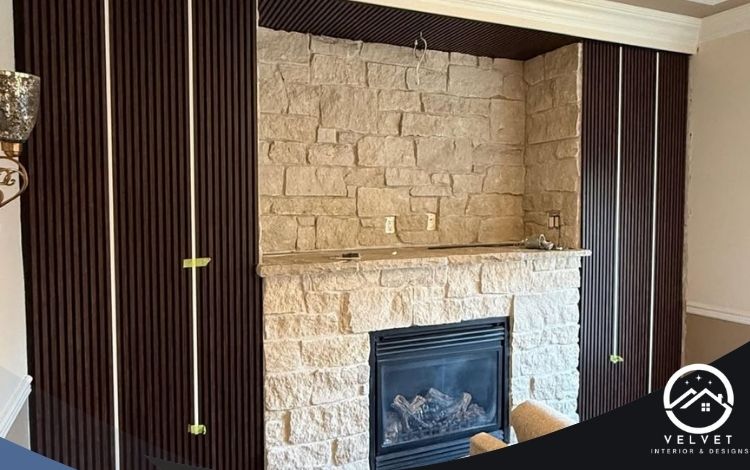
The acoustic panels should be placed in an effective way to receive the required sound absorption, like ceilings, walls where sound reflections occur, behind speakers for audio clarity, behind seating areas, and multiple walls in large areas. Panels add both decorative and acoustic functions, which means the importance of having a balance of visual appeal and proper placement to ensure optimal sound control.
Refresh your walls effortlessly with our stylish PVC wallpaper collection—browse now and find the perfect design for your space.
7- Consider Installation Method
Acoustic panels are easy to install using adhesive or mounting clips; some require simple screw installation for secure mounting. They are lightweight, which makes it easier to handle and ship, and they are available at an effective cost.
You may need professionals to install the acoustic panels if you have large projects; otherwise, the DIY installation is possible with simple tools and by following simple steps.
Discover the acoustic panels benfits and improve sound clarity while creating a more comfortable and functional space today.
8- Balance Budget and Quality
As we mentioned, the acoustic panels are available in several materials and types, which means they have different price ranges depending on your choice. The higher-quality panels usually provide better sound absorption, and durable material has long-term value. Planning the budget before choosing panels determines the number of panels required and effective way to choose and install them.
Transform your interiors with premium wall panels from Velvet Interior and Design, explore the collection and elevate your space today.
FAQs about how to choose acoustic panel
How do I choose the right acoustic panel?
How to choose acoustic panel requires identifying its main purpose, then determining the room and panel size and where to install it. Plus, choosing the panel types and material, as there are several acoustic panel materials in the Canadian market, like soundproof foam for walls and acoustic foam panels. Then you must check the sound absorption capability of the panel to ensure effective noise reduction.
What is the 38% rule room acoustics?
The 38% rule is a common guideline people use in the installation phase, using the acoustic panels for room design. This rule helps to determine the ideal position to install the panels in a rectangular room; according to the rule, it should be placed at 38% of the room length from the front wall. Why do they use this rule in particular? This panel placement helps to minimize sound reflections and standing waves effectively.
Are 2-inch acoustic panels worth it?
The 2-inch acoustic panels are worth it; they are commonly used for improving room acoustics by absorbing mid- and high-frequency sound reflections, which reduces the echo and reverberation inside rooms.
You can use this panel in home offices, studios, and living rooms, either in walls or ceilings, to provide a good balance between performance and wall thickness. Two-inch panel type features a lightweight and easy-to-install suitability for DIY projects, as well as offering a more affordable cost than other thicker acoustic treatments.