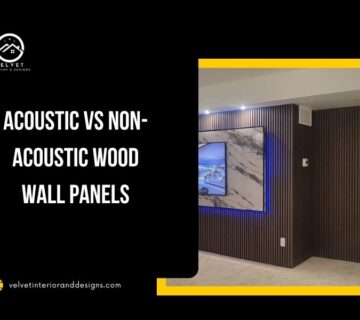

Where to install acoustic panels depends on the room layout, sound issues, and the level of noise control needed, but first we need to know that acoustic panels help to reduce echo and improve sound clarity in homes, offices, commercial spaces and others.
This brings us to the importance of proper placement and accurate installation; these two factors are just as crucial as the quality of the panels. Installing them in the right position or location creates a more comfortable room.
Acoustic panels can be used on walls, ceilings, and corners in both small and large rooms and for various purposes; they are not only suitable for creating comfortable or quiet spaces but also enhance the athletic appearance of the room’s style and design.
You can explore more designs in our acoustic wood wall panel category.
Why Acoustic Panel Placement Matters
Proper acoustic panel placement improves sound quality and reduces echo and reverberation when installed correctly. The placement of panels affects how sound waves travel and reflect; it is important to install them at reflection points.
The poor placement may reduce acoustic panels’ effectiveness, which makes the correct placement hit differently and won’t be a waste of money and time. This leads us to the importance of knowing exactly how to install acoustic panels and where to place them in a strategic position to achieve speech clarity in your room.
Tip one, where to install acoustic panels: Install them where sound reflects most, like walls and ceilings.
Discover our full collection on the velvet decorative wall panels homepage.
The Best Places to Install Acoustic Panels
Here are the best places to install acoustic panels in your home, office, commercial spaces, or others:
- Installing the panels behind the TV or speakers will enhance the sound clarity.
- If you have a wall that reflects strong sounds and noises, it will be beneficial to install the panel on that exact wall.
- The large empty wall will be great for acoustic panel placement.
- Corners are better for building up panels to control sounds and waves.
- Ceilings, as well, are in a great position to absorb overhead reflections.
- Considered the best place to install acoustics is behind seating areas, around workspaces, and in meeting rooms.
- On walls opposite windows or glass surfaces.
Tip two, acoustic panel placement: Place panels at reflection points for clearer sound.
Acoustic Panel Placement by Room Type
Let’s discover the best acoustic panel placement by room type, as you will find slightly different in-room type placements that will enhance the panel effectiveness, here are some tips to follow:
- Install panels near the entertainment areas, like a TV wall in the living room or behind the seating area.
- Bedrooms need to be placed near the bed area for a quieter and calmer room.
- Around the speakers and screens for home theaters.
- Offices and meeting rooms prefer to install the panels near desks.
- Studios need the acoustic panel to be installed at reflection points.
- Glass wall rooms need acoustics in ceilings, for example.
- Hallways need vertical acoustic panels.
Tip three: best place to install acoustic panels: Behind speakers and on first reflection walls.
Learn the proper steps in our guide on how to install acoustic panels.
Should Acoustic Panels Go on Walls or Ceilings?
Acoustic panels can go on both walls and ceilings, and that’s because they work perfectly with both, meeting your requirements. Let us know how acoustic panels help improve sound clarity if they are installed in a wall or ceiling, from the following:
Acoustic panels for walls help to reduce horizontal sound reflections, and the ceiling placement helps to absorb overhead sound reflections. It differs in installation position and your needs.
If you combine both the placement of acoustic panels in the wall and ceiling, you will have the best acoustic performance. The wall placement is easy and common to install, but the ceiling needs professionals. The ceiling acoustic panels will be perfect if you have a large room or install them in open spaces.
Tip four: acoustic wall panel placement: Put on side walls and behind main listening areas.
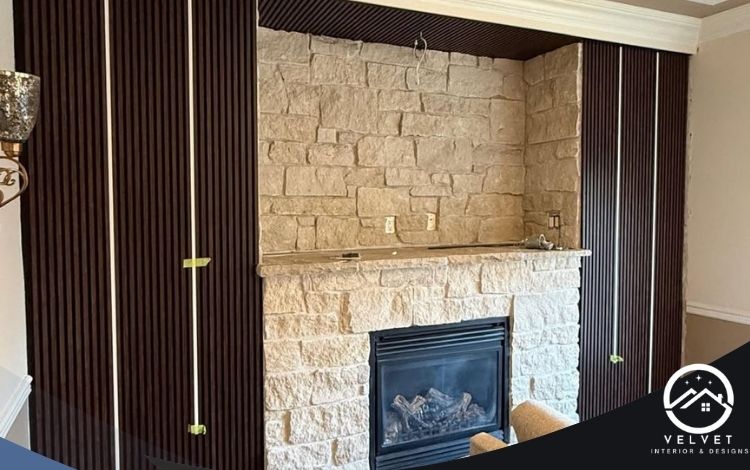
This product is available as the Dark Wood Acoustic Panel for modern interiors.
Common Acoustic Panel Placement Mistakes
There are some mistakes in installing the acoustic panels you should know to avoid making them in your space; let’s know the common acoustic panel placement mistakes from the following:
- A common mistake is to install many panels in one area; it gives a crowded-room feeling.
- Random placement without planning is a big mistake that could cost money and time, and you won’t benefit from the main acoustic reason, which is improving sound clarity.
- Ignore ceiling reflections and only focus on wall placement, especially if it is a large room or a high ceiling.
- Focusing on the decorative wall and ignoring the reflection points in the room.
- Choosing the wrong panel size and leaving large wall surfaces, as well as installing panels too high or too low.
Tip five: room acoustic treatment ideas: Mix wall panels, ceiling panels, and corners for balance.
For better results, read our guide on where to place acoustic panels for ideal positioning.
How Many Acoustic Panels Do You Need?
It is important to know how many panels are required for every room, besides knowing where to place it, let’s discover some tips that help to decide the number of acoustic panels needed from the following:
The number of acoustic panels depends on the room size: small, medium, or large. Large rooms require more than one panel, but small rooms can just need one. Ceiling heights affect the number of panels.
The hard surfaces or glass walls increase the need for acoustic treatment, as well as in home theaters; they require more panels than bedrooms, as bedrooms need a panel behind the bed, and that will be enough.
Tip six: sound-absorbing panel placement: Focus on echo-prone spots and hard surfaces.
FAQS about Where to install Acoustic Panels
Where should acoustic panels be placed in a room?
Acoustic panels should be placed at the major sound reflection points in the room, like sidewalks, large empty walls, behind speakers, ceilings, corners, behind seating areas, rooms with hard floors, room size, and open-plan rooms. Acoustic panels for walls are best used on empty walls to reduce reflections.
Is it better to put acoustic panels on walls or ceilings?
It is better to put acoustic panels on both walls and ceilings; the wall panels reduce horizontal sound reflections, and ceilings absorb overhead sound waves, so both have benefits depending on your needs. The placement of both makes the room highly sound-control effective. acoustic panels for ceilings: install above seating or work areas to cut reverb.
How many acoustic panels do I need?
The number of acoustic panels depends on room size; large rooms need more than one panel, but small rooms may require one panel as well it differe epending on room types; living rooms require one panel behind the TV or speakers, and bedrooms also require one panel, but if both rooms are large and have high ceilings, you can add a panel in the ceiling to absorb sound waves, which makes it two panels installed in one room.
Quick tip: where should acoustic panels be placed in a room? At reflection points and opposite sound sources.
Do acoustic panels work behind a TV?
Yes, acoustic panels work behind a TV, and that helps to reduce sound reflection and improve dialogue clarity and audio balance.
Can acoustic panels reduce noise between rooms?
Yes, acoustic panels can reduce noise between rooms but not block the noise completely; they absorb echo and improve room acoustics, especially the thick panels.
Where should I place acoustic panels in a home office?
best placement for acoustic panels in home offices: Behind your desk and on side walls. You should place acoustic paneling in a home office near the desk area, on side walls, or behind the computer setup to help reduce echo.