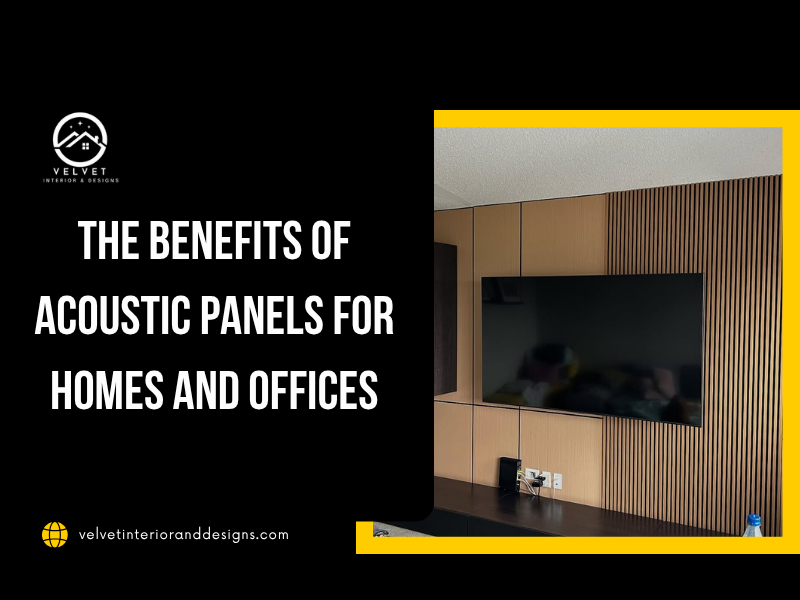
Noise is a big problem in our world today, especially if your property overlooks the street from all sides or at least overlooks one vital street. And it’s not just at home; it might be at your workplace.
So acoustic panels are a useful way to block out annoying and unwanted noise and create a quieter and more comfortable space to complete your daily tasks as you want.
In this blog we discuss the benefits of acoustic panels for homes and offices. It explains how it works, where to put it, and what its benefits are.
Top 9 Benefits of Using Acoustic Paneling in Your Home
Did you know that the benefits of acoustic paneling can be extensive? In both homes and offices, start with the feeling of relaxation and focus on work, or create a comfortable atmosphere for quality time with friends and family.
Let’s explore together the top 11 Benefits of Acoustic Panels for Homes and Offices:
1- Acoustics unraveled
First, information to take: Acoustic Paneling enhances the quality of sounds; by absorbing the sound waves that reduce echoes and unwanted noise, it comes in different materials—it could be dense foam or recycled felt.
2- Aesthetics
Second benefit: the aesthetics that Acoustic Paneling adds reflect both functionality and style; it is preferred to be used in interior spaces. It is available in different colors, fabrics, and designs. It matches the modern, minimalist, Scandinavian, industrial, and rustic designs.
3- Improved productivity
Yes, the Acoustic Panels contribute to improving productivity in the office and home; they reduce the noise level, which allows better communication and less sleep disruption.
Acoustic Panels are the answer for a healthier life and a productive workspace.
4- Improved speech intelligibility
Acoustic Paneling improves speech intelligibility due to the soundproofing panels made of foam that minimize unwanted noise and echoes, it is important to appilcate in offices, meeting rooms, and schools.
5- Noise reduction
Acoustic panels reduce sound reflections by absorbing sound waves to reduce external noise, like traffic can disturb the workflow and tranquility of the home.
6- Easy installation
Acoustic panels are easy to install using basic DIY tools; it doesn’t require professionals, and they feature a quick and straightforward installation.
7- Better sound quality
Acoustic panels improve the sound quality and clarity by reducing noise and echoes.
8- Increased privacy
The Acoustic Panels increase the privacy of the meeting rooms, healthcare facilities, bedrooms, and home theaters. That prevents eavesdropping on conversations and reduces unwanted noises.
9- Versatility
Acoustic panels are customizable in material, design, and installation styles. It is suitable for residential, commercial, and public spaces. Moreover, it serves decorative and functional uses.
What Are Acoustic Panels?
Acoustic panels absorb sound and reduce noise and unwanted sounds, making rooms in the home or office or hospitals appear quieter, clearer and more comfortable.
let’s answer one of the most common questions: What Are Acoustic Panels Made Of?
Acoustic panels are made of foam, fabric, wood, or even fiberglass. It reduces echoes and that annoying echo, making it ideal for everything from home theaters to busy offices and restaurants.
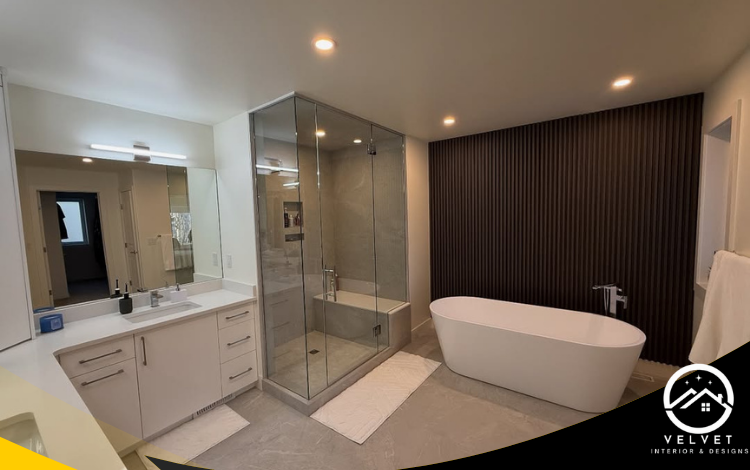
Types of Acoustic Panels
There are several types of acoustic panels to choose from, each offering unique benefits:
- Foam Panels: Lightweight and easy to install, foam panels are often used in home studios and offices. They are effective at absorbing mid to high-frequency sounds.
- Fabric-Wrapped Panels: These panels consist of a sound-absorbing core covered in fabric. They come in various designs and colors, making them aesthetically pleasing while providing excellent sound absorption.
- Wood Panels: Combining aesthetics with functionality, wood panels can add a touch of elegance to any space. They are often used in conference rooms and high-end offices.
- Perforated Panels: These panels have small holes that allow sound waves to pass through, making them effective for controlling noise without compromising the visual appeal.
- Bamboo Panels: An eco-friendly option, bamboo panels are sustainable and offer a unique aesthetic. They can absorb sound effectively while adding a natural look to your space.
How Do Acoustic Panels Work?
Acoustic panels work by absorbing sound waves that may bounce off hard surfaces, creating echoes and increasing levels of noise and unwanted sounds.
When sound waves hit the panels, the material absorbs some of the energy, reducing the overall volume of sound in the room. This process helps create a calmer and more comfortable environment, ideal for concentration and relaxation.
So you need to implement voice regulations in your home or workplace so that you can carry out your daily tasks without feeling disturbed throughout the day.
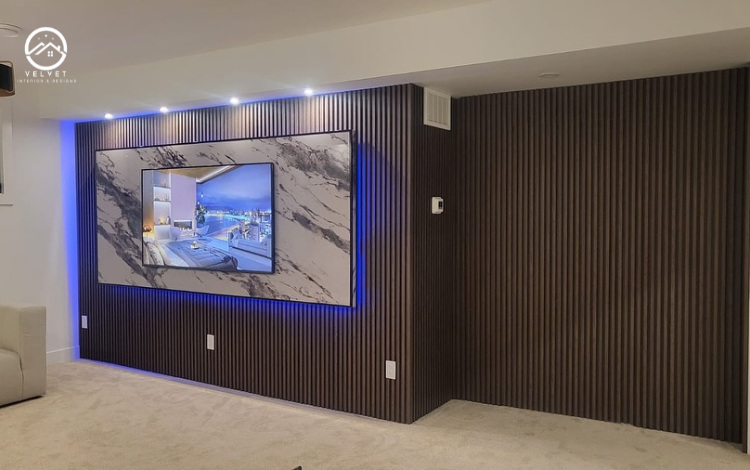
Where to Place Acoustic Panels
The placement of acoustic panels is crucial for maximizing their effectiveness. Here are some key areas to consider:
- Home Offices: Position panels on walls that face noise sources, such as busy streets or common areas. Placing panels behind your workspace can also help reduce distractions.
- Living Rooms: If your living room has hard surfaces, like tile or hardwood floors, consider placing panels on walls opposite windows or large furniture pieces to minimize echoes.
- Studios: In music or art studios, place panels on walls and the ceiling to absorb sound and improve acoustics.
- Classrooms and Meeting Rooms: In educational or professional settings, installing panels on walls can improve sound clarity, making it easier for participants to hear and engage.
Do Acoustic Panels Work for Noisy Neighbors?
Acoustic panels certainly help deal with noisy neighbors, although they won’t block everything out or deal with annoying street sounds. It’s good at absorbing bouncing sounds inside your space, but it doesn’t actually isolate the sound in the space.
Whereas if your area is really noisy, you’ll get better results by pairing panels with real sound insulation tricks—like filling gaps around windows and doors. This set works much better.
Acoustic Panels vs. Soundproofing
Knowing the difference between acoustic panels and sound insulation is important. So let’s get to know it in a clear and smooth way: acoustic panels absorb sound and make room acoustics better, but they don’t completely block noise from entering or leaving the room.
In case you just want to calm things down inside your home or office, acoustic panels help you a lot. But if you really need to prevent outside noise from creeping in or prevent sound from escaping completely and clearly, you’ll need to take a look at the right sound insulation materials and methods.
How to Install Acoustic Panels
Installing acoustic panels is typically a straightforward process. Here’s a simple guide to get you started:
- Choose Your Location: Decide where you want to place the panels based on your noise sources and room layout.
- Gather Your Materials: Depending on the type of panels you choose, you may need adhesive, mounting brackets, or nails.
- Measure and Mark: Use a measuring tape to determine the exact placement of each panel. Mark the spots with a pencil for accuracy.
- Install the Panels: Follow the manufacturer’s instructions for installation. Most foam and fabric-wrapped panels can be easily mounted using adhesive or brackets.
- Test the Sound: After installation, test the room’s acoustics by speaking or playing music to determine if further adjustments are needed.
- Consider Professional Help: If you’re unsure about the installation process, consider hiring a professional to ensure optimal results.
Acoustic panels vs soundproofing
When you look at the soundboards of your home or office, it’s helpful to know what’s actually inside them and what they’re made of. Usually, we are talking about foam, fabric, wood, or fiberglass which are the main things that absorb sound and calm noise.
But do not confuse acoustic panels with sound insulation because there is a big difference between them. Acoustic panels make a room sound better by reducing echo. Sound insulation, on the other hand, prevents noise from entering or exiting completely. This is a big difference, and it’s important when you’re trying to figure out how to deal with noise in your space.
FAQs about The Benefits of Acoustic Panels for Homes and Offices
What are the advantages of acoustic wall panels?
Acoustic wall panels help reduce noise levels, improve sound quality, enhance privacy, and create a more comfortable environment for work or relaxation.
Do acoustic panels work in an office?
Yes, acoustic panels are effective in offices, helping to minimize distractions, improve focus, and create a more productive workspace.
Where should acoustic panels be placed in a home office?
Place panels on walls facing sources of noise, such as windows or high-traffic areas, and behind your workspace to reduce distractions.
What are the disadvantages of acoustic panels?
While acoustic panels are effective, they may not completely soundproof a room. Additionally, some panels can be costly, and their aesthetic appeal may not suit everyone’s taste.