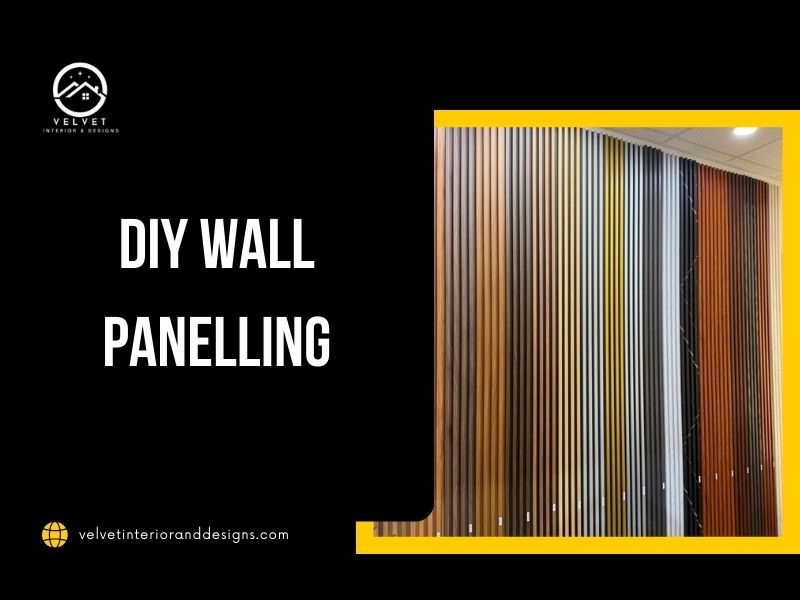
DIY wall panelling is designed for beginners and homeowners; it allows customization in size, layout, and color and does not require heavy construction work, as it can be painted or left in its natural finish, and it features an effective cost to upgrade your whole interior walls.
What Is DIY Wall Panelling?
DIY wall panelling is a home improvement method and a budget-friendly option where panels like wood or MDF strips, panels, or boards are installed on walls without professional help. Commonly used in bedrooms, hallways, and living rooms to add texture, style, and visual interest to plain walls.
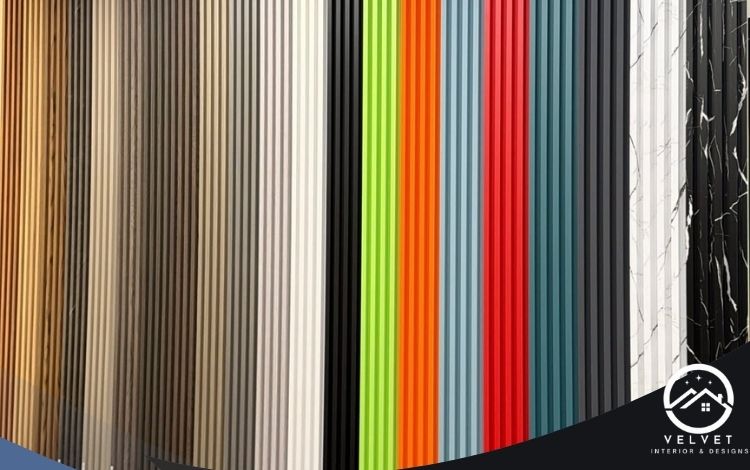
The common materials used in DIY wall paneling ideas include MDF, wood, PVC, WPC, and plywood. They are available in sheets, strips, or ready-made kits, and the popular styles in Canada are fluted, slat, shiplap, and decorative panels.
The DIY wall panels are easy to use, cheap, and require minimal maintenance, and there are many reasons to choose them, such as that they can be installed over drywall or existing walls. As it is suitable for living rooms, bedrooms, hallways, and offices.
Much of the DIY wall panelling for living rooms, bedrooms, and offices is lightweight and easy to handle; adhesives, nails, or screws are usually used for installation, but if you purchase from Velvet Interior Design, you will not need screws.
Is DIY Wall Paneling Worth It in Canada?
DIY wall panelling is worth it for homeowners looking to upgrade interiors affordably and easily and who want a modern, stylish, and unique look in their interiors. The DIY wall panelling kits are considered an improvement in insulation and wall protection that hides wall imperfections better than paint.
As many of the panels are suitable for cold Canadian climates, at the same point, it increases the visual value of living spaces, saves labor costs, and lasts long when installed correctly. It can be used in condos, houses, and rental units.
Did you know that the wall panelling is easier to maintain than painted walls? As well, it offers more design options than drywall alone, and it can be completed in a short time. Also suitable for moisture are bathrooms and kitchens because they are moisture-resistant and easy to clean.
How Much Does DIY Wall Panelling Cost in Canada?
DIY wall panelling costs vary based on material and design. If you choose the MDF panels, they are the most affordable option in panels, as are the PVC panels, which are considered cheap DIY wall panelling, but looking for wood wall panels costs more than both of them. Note: the adhesive and tools may add a small cost, but not a lot.
The 4×8 decorative wall panels are a large sheet. It can be more cost-efficient, but installing panels yourself reduces overall expenses. In the end, the DIY panelling is cheaper than many full-wall renovations.
Is Wall Paneling Cheaper Than Drywall or Paint?
The wall panelling can be cheaper than drywall installation, as it reduces the need for sanding and finishing, hides wall flaws without repair work, and is cheaper upfront but requires frequent maintenance. Wall panelling or DIY wall panelling strips feature avoiding professional labor costs, saving time, reducing repainting costs over time, being budget-friendly, and lasting longer than paint.
Can I Install Wall Paneling Myself, or Do I Need a Professional?
The DIY wall panelling is designed for self-installation, suitable for beginners installing it with very basic tools. And their many panels come with clear installation instructions. The easiest panels are the adhesive-based panels, which make professional help not necessary.
The wall panelling sheets 4×8 from Velvet Interior and Design have a very easy installation and save money on labor; it just may take more time to install in large rooms, and it also has simple layouts that are easy to install. But be noted that all installation processes need accurate measurements for the best results.
Note: the DIY wall panelling strips are easier than full sheets.
What Are the Most Popular DIY Wall Paneling Styles in Canada?
The most popular DIY wall paneling styles in Canada are the slat wall panels for modern interiors, the fluted panels for living rooms, and the shiplap panels, which are widely used in cottage-style homes.
The most common decorative wall panels used in hallways and bedrooms are the board and batten paneling; it is a vertical paneling style featuring wide boards with narrow, raised strips commonly used in rustic or modern looks.
For budget-friendly projects, use the Flat MDF panel designs, PVC panels, or the WPC fluted wall panels. The traditional homes in Canada mainly choose the rustic wood panels, or the wainscoting, which is a protective wood or composite molding applied to the lower third or half of interior walls, often used in dining rooms and entryways.
The most popular warm and natural-looking interior styles in Canadian homes are the wood veneer panels and the geometric panel designs, especially for the modern apartment.
Most Canadians choose the PVC or WPC panels because of their easy maintenance. And choosing the 4×8 decorative wall panels is widely used for quick installations.
Can DIY Wall Paneling Increase Home Value?
Yes, wall paneling can increase the home value by improving the visual appeal; it makes the rooms look updated, which creates a strong and stylish first impression for home buyers in Canada. As you add the decorative wall paneling, you are adding a professional finished appearance to stand strong in competitive markets.
Also, the paneling is a great choice to hide the wall imperfections and damage, as it gives a durable wall surface with the same good return on investment if you upgrade by using the affordable DIY panels.
Step-by-step instructions for your wall panelling
Here are 10 steps to install the wall paneling for DIY projects:
- Measure the wall carefully before buying materials.
- Choose the type and design of wall panels.
- Prepare the wall by cleaning and smoothing the surface.
- Mark panel layout lines using a level and pencil.
- Cut panels or strips to the correct size.
- Dry-fit panels to check spacing and alignment.
- Apply adhesive for installation.
- Start installation from one corner or the center.
- Use a level to keep panels straight.
- Secure panels firmly to avoid gaps or movement.
Top tips for DIY wall paneling
- The top tips for DIY wall paneling are to always measure twice before cutting panels and choose the lightweight panels for easier DIY installation.
- Start with a small wall if you are a beginner, and use high-quality adhesive for strong attachment.
- Plan your layout before installing any panels, and keep some spacing between strips.
- It must be using a level tool to maintain straight lines, and for sure, wear safety gear when cutting materials.
- If you want to paint the panels you have, it is better to paint them before installation to save time and effort.
FAQ about DIY Wall Panelling
Can you do wall panelling yourself?
Yes, you can do wall panelling yourself because many of the decorative wall panels are designed for DIY installation. You can use the basic tools like a level, saw, adhesive, and measuring tape, and it is preferable to buy lightweight MDF, PVC, or WPC panels because they are easier for beginners to handle.
What’s the cheapest way to panel a wall?
The cheapest way to panel a wall is to use MDF strips instead of full decorative panels. But if you want the cheapest wall panels for full walls, the paintable flat panels are usually cheaper than textured designs.
What are common panelling mistakes?
- Incorrect wall measurements.
- Skipping wall preparation before installation.
- Not using a level.
- Choosing heavy panels that are difficult to install.
- Using low-quality adhesive that fails over time.
- Starting installation without planning the layout.
- Mixing different panel styles without a clear design plan.
Should I nail or glue paneling?
Glue the panels if it is lightweight material designed for DIY projects, and choose the nails in paneling if you are installing heavy wood panels that need strong support. But combining both nails and adhesive together offers maximum stability.