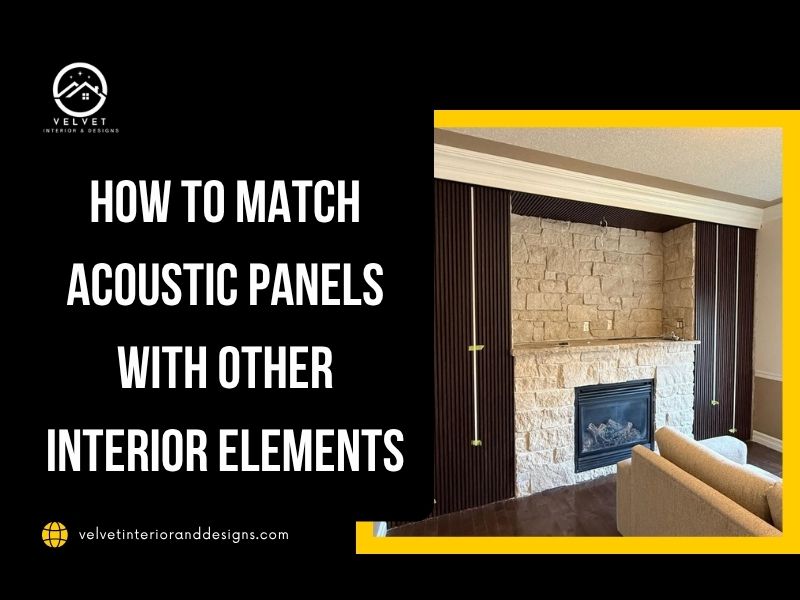
Acoustic Panels serve as both functional and decorative elements; the choice of the right panels will improve sound quality and overhaul appearance. This matching of elements and panels creates a stylish and balanced interior. The poorly matched panels will create an out-of-place and overcrowded feel, so today’s designs offer a wide variety of colors and finishes.
How to Match Acoustic Panels with Interior Design
To match acoustic panels with your interior design, you must first identify the overall style for your room. Is it modern, classic, or other? Then choose the panel shapes that go with the room layout; after that, match the panel finishes with the main material, like wood, marble, or metal. Preferred to keep all the proportions balanced so the room isn’t overcrowded, especially in the smaller space. To achieve a relaxed interior in formal spaces, it is preferred to use symmetrical panels.
Some tips and advices to How to Match Acoustic Panels with Interior Design
- First, consider ceiling height when deciding on either vertical or horizontal panel layouts.
- Blend panels to avoid the look of add-on panels.
- If you have columns or niches in your room, sign the panels with them.
- Avoid mixing too many textures in one area.
- Keep consistency in color tones across the room.
- Use lighting to highlight panels as part of the design.
Acoustic Panels Interior Design Ideas
Here are some interior design ideas for using the acoustic panels in your room:
- Create a statement wall using textured acoustic panels like in the hallway or the desk wall of your office.
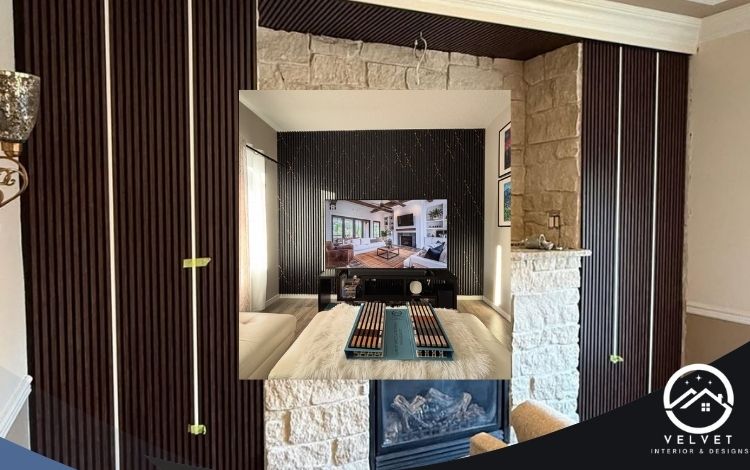
- Use panels behind the TV unit for both function and style, which absorb and reduce the sounds coming in and out of the room.
- Install the panel in the bedroom headboard wall.
- Combine panels with wooden slats for a modern feel.
- Use geometric panel layouts for a creative touch.
- Install panels on ceilings for a unique design feature.
- You can mix fabric and wooden panels for contrast.
- Pair panels with indirect lighting for a premium look.
How to Integrate Acoustic Panels into Interior Design
When integrating acoustic panels into interior design, place them early and coordinate their material with the floor and furniture; then use the panels to complement existing wall finishes and blend them into built-in units or wall cladding.
For excellent results, keep the alignment clean and consistent across the different surfaces, and combine lighting with the elements for a more stylish look. If you need full acoustic cover, install the panel on the ceiling, matching the floors and walls. You can use the panels to frame focal points like TVs, artwork, or bedroom headwalls.
Acoustic Panel Color Matching Tips
There are some tips and tricks to acoustic panel color matching:
- Consider the room’s main color palette before deciding on the panels’ colors and tones.
- For a timeless and flexible look, use neutral colors like beige.
- For bold and contrasting walls, use dark colors like navy.
- Stick with 2 or 3 main colors to avoid visual clutter.
- Match the panels’ colors with the furniture color and style, as well as with curtains’ colors.
- Consider lighting with either warm or cool tones when you select the panel colors.
- Coordinate panel color with flooring tones
How to Match Acoustic Panels with Furniture
To match the acoustic panels with your furniture, start with matching materials, like wood, fabric, or metal, then align the panel colors with sofas, chairs, or cushions. Here are some tips to match the panels with the furniture:
- Match the panel styles with the furniture design; for example, if your furniture is modern, use simple acoustic panels such as fabric or
- slatted designs. If your furniture is classic, choose panels with warm tones.
- Keep a balance between soft and hard textures; for example, if you have a leather sofa, add fabric acoustic panels to soften the space.
- Use panels to highlight key furniture pieces. for example, place acoustic panels behind the sofa or behind the bed to create a stylish headboard.
- Avoid too many bold elements in one space, like a bright red sofa + bold patterned acoustic panels + colorful rug.
How to Blend Acoustic Panels with Wall Decor
To blend the acoustic panels with wall decoration, you have to consider some factors: first, leave space between the panel and decoration elements; second, match the panel colors with wall art tones by searching color palettes. Third, be careful with organizing the room elements to avoid overcrowding.
Some tips: You can use the panels to frame mirrors, and you can use lighting to highlight panels and decorations.
FAQs About How to Match Acoustic Panels with Other Interior Elements
Does panelling make a room look smaller or bigger?
Yes, paneling can make a room look smaller or bigger depending on the panel types; for example, the vertical wall panels create the illusion of higher ceilings, which makes the room feel taller. The horizontal panels can visually widen a narrow space.
Not just the panel types; the color of the panel also matters. If you choose light-colored panels, they will reflect more light, making rooms feel larger and more open. Otherwise, the dark panels can make a room feel smaller but add depth and coziness. Also, the choice between glossy or semi-gloss finishes for panels enhances the light reflection and openness.
What colors go with acoustic panels?
The colors that go perfectly with acoustic panels are neutral tones like white, beige, and grey for a modern look, as well as earthy shades like brown and olive tones for a warm appearance. Or you can even choose dark tones, like navy, to enhance a dramatic space.
How to combine interior design styles?
Combining interior design styles starts with one dominant style and uses other styles as accents while maintaining the color palette and using similar or matching materials to balance the entire visual. For better results, you can repeat patterns or textures to create cohesion and to keep furniture scale consistent across styles, as you must avoid overmixing; limit it to 2–3 styles for harmony.
Are paneled walls coming back in style?
Yes, wall paneling is a major trend in modern interior design in Canada and Europe. The most common panels nowadays are the fluted and slatted panels used for TV feature walls and accent walls. As well as the PVC, MDF, WPC, and acoustic materials.
They are now more affordable than traditional wood paneling featuring easy installation and being waterproof, making them suitable for kitchens and bathrooms, and available to customize designs for unique interior styling.