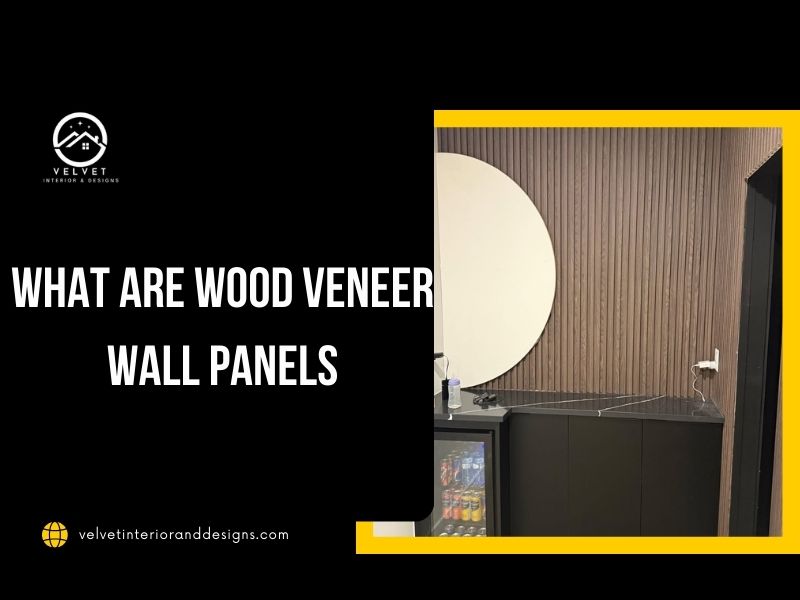
What are Wood Veneer Wall Panels? This question has been asked more, as it is a trend now until 2026. These decorative coverings are made from thin slices of real wood that mimic the natural appearance but are cost-effective. Available in a variety of colors, materials, and costs that offer natural beauty, texture, and warmth.
What is wood veneer made of?
Wood veneer is made from real wood, reflecting the natural warmth, unique grain, and character. It has been created by slicing thin sheets about 3 mm, then selecting the hardwood logs, like oak, walnut, and maple, for durability and distinctive patterns. The wood veneer wall panels are used for furniture boards, doors, and walls.
It reduces environmental impact compared to solid wood panels and enhances interiors with natural texture and elegance while offering strength and flexibility. As well, it can be attached to cores like MDF or plywood.
The most common question is What are wood veneer wall panels called? The wood veneer wall panels are called wood wall panels, wall cladding, or simply veneer panels.
What is the wood veneer thickness in mm?
The standard Wood veneer thickness mm is often 0.5mm to 0.6mm.
The thicker constructional Wood veneers for high-traffic furniture are often between 1.0mm and 3 mm.
What is wood veneer wall panels cost?
The Veneer wall panels price depends on the wood species, whether it is oak, walnut, or exotic wood. As well, it depends on panel style and brand. But generally the Veneer wood price ranges from $10 to over $50 per square foot, which is considered a budget-friendly option. On the other hand, the exotic woods (Rosewood, Ebony) or unique designs cost more, around $40 to over $100 per square foot.
7 Main Disadvantages of Veneer Wood
- The Veneer Wood is not suitable for high-traffic or heavily used surfaces; it is more suitable for indoor applications than outdoor spaces.
- The Wood veneer is thin and prone to chipping, peeling, and moisture damage.
- It is difficult and costly to repair when it is damaged, compared to solid wood.
- Fading surface is caused by the sunlight exposure faster than solid wood.
- It offers less depth and character compared to solid wood.
- Generally, Veneer Wood has a shorter lifespan than solid wood furniture.
- It requires careful maintenance with regular dusting with a soft, damp cloth and avoiding direct sun to prevent costly replacement.
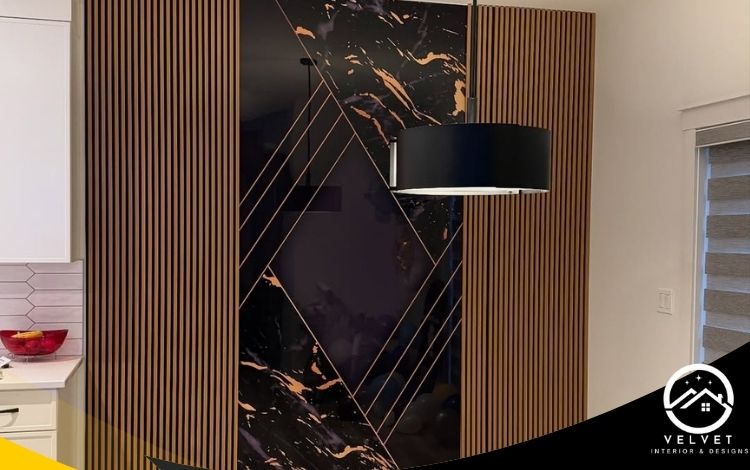
Pros of Wood Veneer
Wood Veneer most top advantage is its cost-effectiveness for budget-friendly and DIY projects, as well as its variety of applications and availability in plenty of designs and colors.
- Provides the natural look of solid wood but at a lower price.
- It is an environmentally friendly product made from tree trunks in the form of thin slices.
- Easier to transport, handle, and install due to its lightweight.
- Can cover large areas seamlessly
- More budget-friendly for large interior projects and DIY projects.
- Great for curved or complex shapes due to flexibility.
- ideal for furniture, walls, and cabinetry.
- Sustainable by using less wood than solid planks.
- Can be applied over MDF or plywood.
How to Select the Best Veneers
1- Define your aesthetic
First you have to consider if you want a modern, minimal, rustic, luxurious, or classic look, as it varies widely depending on species, grain pattern, and color tone. Then you can decide between uniform, consistent grains or dramatic, high-movement patterns.
Then you must think about the room’s lighting, whether it is natural light for a warm feeling or artificial lighting. At the end the wood veneer must match the surrounding room material like the floor, furniture, and wall colors.
2- Function
Answer these questions to know what you need:
How will I use the wood veneer? Will it be used in:
- High-use furniture
- Decorative wall paneling
- or Cabinetry
What are your durability needs? Is it:
- Hold up better to scratches
- Water resistant
- Heat resistant
Considering the maintenance level:
- Matte
- Glossy
Note: the matte wood veneers’ finish hides fingerprints better than glossy ones.
Considering the moisture resistance level
Not all the wood veneers are suitable for bathrooms or kitchens unless properly sealed.
Think about budget vs. function
The exotic veneers may be unnecessary for low-traffic zones.
3- Choose the right species material
A- The Harder woods veneer is better for surfaces that get touched or used often. Such as:
- Oak
- Maple
- Walnut
B- The Softwood material is more affordable but dents more easily. Such as:
- Pine
- Fir
C- Exotic woods have a strong visual impact but are more expensive. Such as:
- Teak
- Rosewood
- Zebrawood
Helpful Note: The color tones vary naturally.
- Light: birch, ash, maple
- Medium/warm: oak, teak
- Dark: walnut, wenge, rosewood
4- Consider the cut
The wood veneer cut is very important to consider, as it determines the final appearance of the grain pattern. Let me help you to understand it clearly:
1. The Plain-sliced (flat cut) offers a cathedral grain, the most natural look, and is widely used.
2. But the Quarter-sawn offers a straight, linear grain with minimal movement; it is more stable and premium.
3. The Rift-cut offers very straight, elegant lines.
Note: It is often used in high-end modern interiors.
4. Rotary-cut: This cut offers a wide, bold grain pattern; it is the most economical but less refined.
5- thickness
Did you know that Veneer thickness influences durability, sanding ability, and lifespan?
As you will find, the Thicker veneers, which range from 0.6 mm to 2 mm, offer limited refinishing and feel more like solid wood. On the other hand, the Standard commercial veneers are thinner, ranging from 0.3 mm to 0.6 mm, and are suitable for decorative applications.
15 Types of Wood Veneer
Let’s discover the top 15 types of wood veneer in Canada from the following:
- The Rotary-cut veneer: Affordable veneer with wide, bold grain patterns.
- The Backed Veneer: Flexible and easy to install.
- The Raw wood veneer: Unbacked and natural, offering authentic texture.
- The Cherry veneer: Great for traditional interiors and soft, ambient lighting.
- The Walnut veneer: a premium choice for luxury spaces and matches warm lighting.
- The Ash veneer: perfect for Scandinavian and minimal designs.
- The Maple veneer: Great for bright, modern interiors and affordable mid-range furniture.
- The Engineered veneer: Cost-effective, consistent patterns with no natural defects.
- Shop sawn veneer: Thicker veneer offering near-solid-wood durability.
- Smoked veneer: Heat-treated for deep, smoky tones.
- Bamboo veneer: Eco-friendly, strong, and naturally pale.
- Beech: Affordable and ideal for functional interiors or minimalist cabinetry.
- Birch: Best in Scandinavian, airy spaces with bright lighting.
- Dyed veneer: Perfect for statement walls or unique furniture accents.
- Paper Veneers: ideal for low-cost projects and easy application on smooth surfaces.
Wood Veneer vs Laminate
1- Wood Veneer
Wood veneer is thin slices of real wood; it costs between $15 to $60+ per square foot. It features natural beauty, texture, and patterns, as well as resistance to warping, cracking, and seasonal movement.
2- Laminate
Laminate is a man-made, printed surface with a clear topcoat, generally costing from $0.70 to $6.00+ per square foot. It features exceptional durability for scratch, impact, wear, and fade resistance and features cost-effectiveness.
FAQS about Wood Veneer Wall Panels
What are the disadv♥antages of veneer panels?
The disadvantages of veneer panels are their proneness to chipping, peeling, and moisture damage if not sealed properly. It has not been sanded as deeply as the solid wood. And the repairing methods are costly.
What is wood veneer paneling?
The wood veneer paneling is a decorative surface for a variety of applications that is made by applying thin slices of real wood to a core material such as MDF or plywood and other materials. These decorative panels offer the look of solid wood at a more affordable cost and the same functional features of durability.
Is wood veneer real wood?
Yes, wood veneer is real wood. It is made from real wood by simply slicing it into thin sheets to allow you to enjoy the lightweight for easy installation and shipping, and offering a natural grain pattern without the price or weight of solid wood.
How long do wood veneers last?
Wood veneers last for 10 to 25 years or even more with proper care: avoiding moisture, using suitable cleaning methods, and preventing heavy impact.